


Why Grate Thickness Matters in High-Volume Kitchens
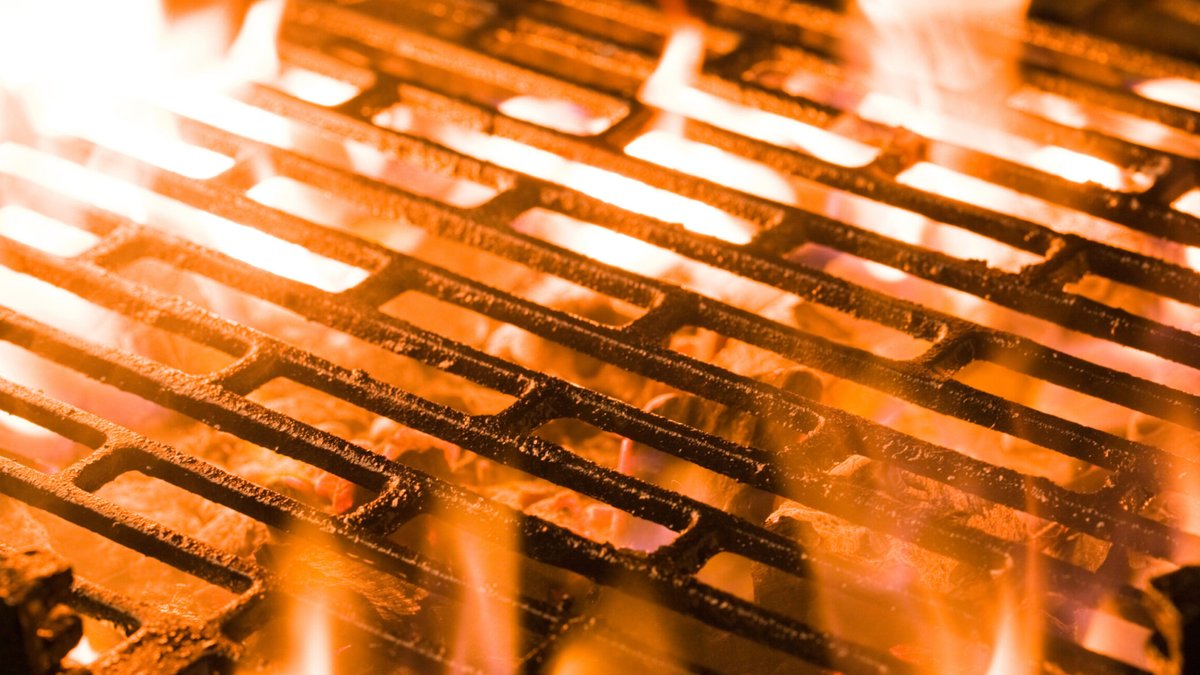
Choosing the right grates for a commercial grill is often an afterthought, but in a high-volume kitchen, the material and thickness of those bars dictate everything from food quality to equipment longevity. Walk into a busy dining room during a dinner rush, and you will see grills working at full capacity for hours without a break. The grates absorb the heat, weight, and constant contact with metal tools, yet many kitchen managers overlook them when evaluating equipment. They focus on burner output or grill size instead, which can be a costly mistake. The specifications of the grate directly affect cooking performance, the final appearance of the food, and how often you will need to replace the equipment.
Grates do more than support proteins and vegetables over a flame. They store and transfer heat, create sear marks, and influence how evenly food cooks across the entire surface. A thin, poorly constructed grate heats unevenly, leading to hot spots that scorch some items while leaving others undercooked. In a high-volume setting where consistency determines customer satisfaction, this inconsistency becomes a serious liability.
Related: Businesses weigh cloud vs on-premise data
Grates also take on a structural role. They support heavy stockpots, cast iron pans, and large cuts of meat, all while enduring the scraping and shifting that comes with fast-paced cooking. When a grate isn’t built to handle that load, it warps, cracks, or sags over time, compromising both safety and performance. The structural integrity of the grate is just as important as its thermal properties, yet it is frequently ignored until damage forces a replacement.
Grills typically use one of a few common materials, and each behaves differently under sustained heat and heavy use. Cast iron retains heat exceptionally well and produces those coveted sear marks that make grilled dishes visually appealing. It is a favorite for steakhouses and barbecue-focused kitchens. However, cast iron requires regular seasoning and careful drying to prevent rust, which adds a maintenance step that busy kitchens sometimes skip.
Stainless steel offers excellent corrosion resistance and requires less maintenance than cast iron. It heats up faster but doesn’t retain heat as efficiently, which can matter when cooking large batches back-to-back. Stainless steel grates tend to hold up well in humid environments or kitchens near coastal areas where rust is a constant concern. Porcelain-coated grates provide a non-stick surface that is easier to clean, but the coating can chip under heavy use, exposing the metal underneath to rust and uneven heating. In a high-volume kitchen where grates are scraped and scrubbed daily, this coating often wears out faster than staff expect.
Related: Fast Track Business Registration Now Available
Material grabs most of the attention, but thickness deserves equal consideration. A thick grate holds heat longer and distributes it more evenly, which matters enormously when grilling continuously for hours. Thinner grates heat up quickly, but they also lose heat fast when cold food hits the surface, forcing cooks to wait longer between orders or adjust flame settings constantly. Thicker grates also resist warping. Repeated heating and cooling cycles stress metal, and thin grates are far more prone to bending out of shape over months of daily use. Once a grate warps, food no longer sits flat, drippings pool unevenly, and flare-ups become more frequent and harder to control.
There is a durability trade-off worth noting: thicker grates cost more upfront and add weight, which can make cleaning and handling slightly more cumbersome. For kitchens running grills nonstop, that investment typically pays off through fewer replacements and more consistent cooking results.
Related: Emerging Trends in Structural Glass Design
The right combination of material and thickness depends on what your kitchen actually does day to day. A high-turnover burger joint has different needs than a steakhouse focused on perfect sear marks or a catering operation that transports equipment frequently. Consider how many hours your grills run daily, what kinds of food you are cooking most often, and how much time your staff can realistically dedicate to maintenance.
Grates are a small part of a grill’s overall cost, but their impact on daily operations is outsized. Choosing durable materials and appropriate thickness reduces downtime, improves food consistency, and extends the life of your equipment. In a high-volume kitchen, where every minute and every dish matters, that is a decision worth taking seriously rather than treating as an afterthought.

Businesses weigh cloud vs on-premise data


