


Houthis’ Deadly Riyadh Airport Strikes Threaten US Escalation
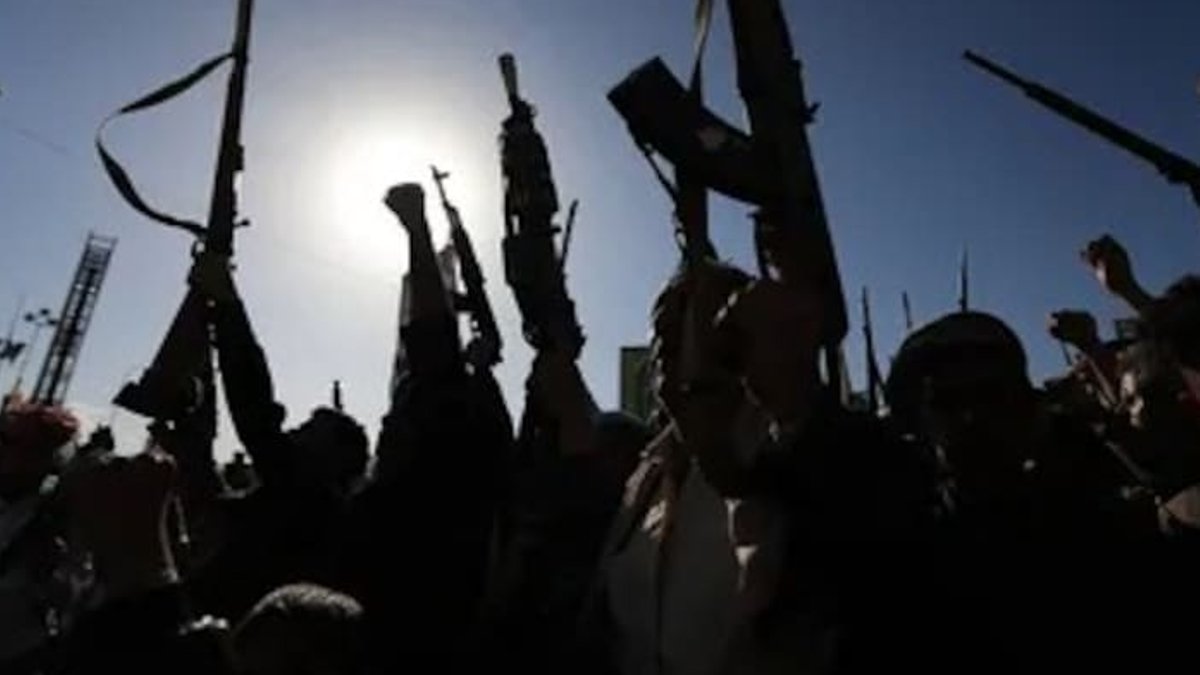
Deadly attacks on Riyadh’s main airport this weekend have demonstrated the reach of Yemen’s Houthis to strike at the heart of Saudi power, raising the risk of escalation that could draw in the United States.
Saturday’s strike killed 12 people and wounded 309, while an attack on Sunday killed one person and injured 11. They claimed responsibility, saying they responded to “Saudi aggression,” including a strike on the airport in Sanaa, Yemen’s capital.
Saudi fighter jets are already backing a counteroffensive by Yemeni government forces after the Houthis seized territory near Bab el-Mandeb, a critical chokepoint for global shipping at the southern entrance to the Red Sea.
Houthi Evolution and Capabilities
The Houthis had largely stayed on the sidelines after the US-Israeli war against Iran began in February. But the latest offensive illustrates how the group—a member of Iran’s axis of resistance—has developed into its own autonomous fighting force, with its own sophisticated weapons supply chain and an ability to operate and escalate as they see fit, at times in coordination with the Islamic Republic.
“By escalating their attacks, they are trying to pressure Saudi Arabia into stepping back and halting its air campaign,” said Ahmed Nagi, the International Crisis Group’s senior analyst for Yemen. “Riyadh sees these strikes as a serious escalation, particularly given their unprecedented nature, and is likely to respond with greater military pressure.”
With an American among those killed on Saturday, President Trump faces growing pressure to act. Asked on Saturday whether the US would join strikes against them, he said: “We may.
“Riyadh will want direct US strikes against the Houthis, air defense capabilities, increased intelligence sharing, and political cover for an intensified campaign in Yemen,” said William Usher, a former senior Middle East analyst at the Central Intelligence Agency.
The Saudi-led coalition blamed the Houthis for Saturday’s attack, calling it “a full-fledged war crime.” Prince Faisal bin Farhan and his Iranian counterpart Abbas Araghchi discussed the latest escalation in the region in a phone call, according to a report Sunday by the state-run Saudi Press Agency.
Saudi Strategic Challenges and International Reactions
A 2022 UN-brokered truce sharply reduced fighting, allowing Saudi Arabia to wind down its involvement as the Houthis strengthened their capabilities. The kingdom has invested billions in building one of the region’s most sophisticated militaries, equipped with American F-15 fighter jets and Patriot missile defenses whose interceptors cost up to $5 million each.
Since the US-backed ceasefire, Yemeni forces have rearmed, prompting Riyadh to express frustration over limited assistance from Western allies. Britain provided an air-refueling aircraft, but recent requests for additional defensive support remain unapproved. France plans to send military equipment to the Red Sea port of Yanbu, while Turkey and Pakistan face a test of their defense pact, the Mecca Defense Alliance.
Economic Fallout and Global Reactions
Oil prices dropped on Monday despite the attacks, as traders focused on President Donald Trump’s energy ceasefire claims between Russia and Ukraine. Brent crude fell below $104 a barrel after a two-day gain.
Foreign investment and financing are becoming more critical as the kingdom faces these challenges. Executives at major oil firms like BP and Shell withdrew from the World Petroleum Congress, which began Sunday in Riyadh. The capital’s financial district, housing the sovereign wealth fund and international banks, shifted to remote work.
The UK government advised against non-essential travel to Jeddah, Dammam, and all Saudi airports except Medina, suggesting citizens depart via land borders. The Federal Aviation Administration issued a caution to U.S. airlines about flying in Saudi airspace at any altitude. Australia updated its travel advice to “Do Not Travel” for Riyadh’s main airport.
International Responses and Strategic Calculations
The attacks may signal pressure on the Houthis in Yemen. The coalition claims to have recaptured Mokha and destroyed Houthi military targets, including drone workshops and telecommunications towers.
They have lost fighters and hit strategic sites, but retain Iranian-designed missiles and locally assembled drones. This capability makes Saudi civilian infrastructure a persistent target.
Saudi leaders may conclude escalation is necessary to end the attacks and restore peace. “The Houthis have always been aggressive and willing to take risks,” noted Nadwa Al-Dawsari of the Middle East Institute.


