


Emerging Trends in Structural Glass Design
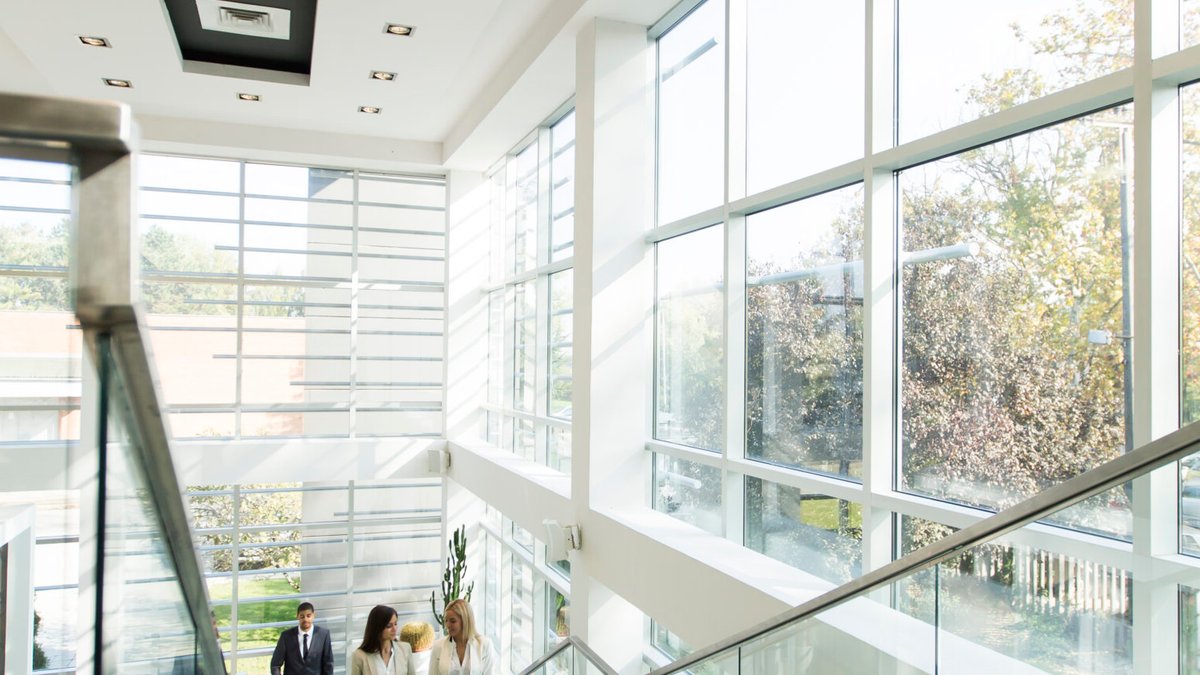
Structural glass design is transforming modern construction, moving beyond simple barriers to become a load-bearing element capable of supporting entire buildings. This shift allows architects to eliminate heavy framing, creating spaces that feel weightless while still meeting rigorous safety standards. The material is no longer just infill; it is a true structural partner.
Engineers now calculate glass the way they calculate steel, accounting for load paths and failure modes with the same precision. This change is largely due to advancements in laminated and interlayer technology. Modern polymer films distribute stress across multiple layers, allowing broken glass to retain load-bearing capacity rather than failing catastrophically. If one layer cracks, the interlayer holds the assembly together until repairs can be made. This redundancy is critical for structural applications, giving designers the confidence to use glass in increasingly demanding roles.
The integration of digital tools has also accelerated this progress. Parametric modeling and finite element analysis allow engineers to simulate how glass will behave under wind loads and seismic activity before fabrication begins. This precision reduces guesswork and enables the creation of complex geometries. Digital fabrication techniques follow suit, producing curved and freeform shapes that maintain structural integrity while achieving striking visual effects.
Related: Coastal Grandmother Style Becomes Accessible Nationwide
There is a practical downside to this complexity. As structural systems become more detailed, the margin for error shrinks. A single miscalculation in load distribution or a localized defect in an interlayer film can compromise an entire façade. This reliance on high-performance materials creates a tension between the aesthetic desire for transparency and the engineering necessity for robust, redundant support systems.
Smart Surfaces and Efficiency
Another trend involves embedding sensors within glass assemblies to monitor stress levels and micro-fractures in real time. This data feeds directly into building management systems, providing facility teams with early warnings of potential issues. Some systems are also incorporating electrochromic or thermochromic capabilities, allowing panels to adjust their tint in response to sunlight. This dual functionality allows glass to serve as both a structural element and an environmental control system.
Building for the Future
Sustainability is becoming a driving force behind innovation in the field. Manufacturers are focusing on reducing the embodied carbon of glass production while improving thermal performance to lower energy demands. Triple glazing and low-emissivity coatings help structures perform better across their lifespan. There is also growing interest in the circularity of glass as a material, with designers exploring ways to incorporate recycled content without compromising safety standards.

Coastal Grandmother Style Becomes Accessible Nationwide


