


ERP Integration Drives B2B Procurement Strategy
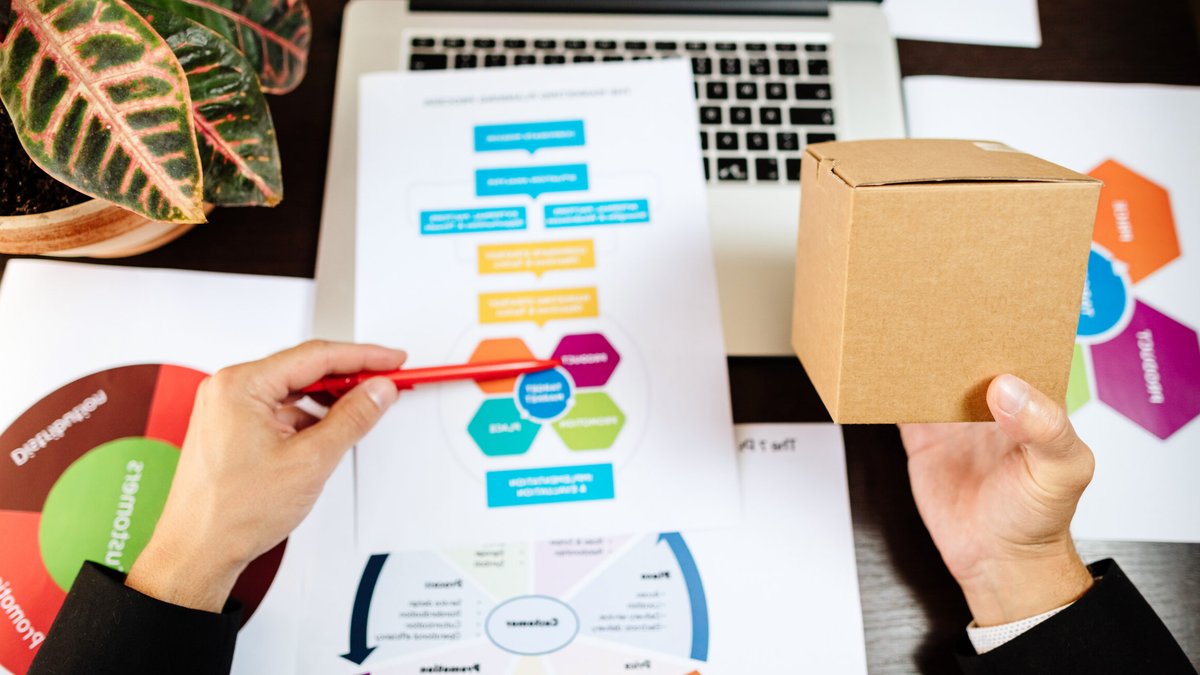
Procurement teams don’t operate in isolation, as every purchase order, invoice, and vendor negotiation touches finance, inventory, and operations. When these functions run on disconnected systems, procurement becomes a bottleneck instead of a growth driver. That’s where ERP integration steps in, transforming procurement from a series of manual handoffs into a connected, strategic function.
The Problem with Disconnected Procurement
Many B2B organizations still manage procurement through a patchwork of spreadsheets, emails, and standalone software tools. A purchasing manager might approve an order in one system, while finance tracks the invoice in another, and inventory updates happen somewhere else entirely. This fragmentation creates blind spots.
Without a unified view, teams duplicate work, miss discrepancies between purchase orders and invoices, and struggle to get real-time visibility into spend. Procurement leaders end up spending more time chasing information than making strategic sourcing decisions.
What ERP Integration Actually Solves
Enterprise resource planning integration connects procurement directly to the financial, inventory, and operational systems that depend on accurate purchasing data. Instead of procurement functioning as a siloed department, it becomes part of a single data ecosystem where information flows automatically between systems.
This connection matters most in the procure-to-pay process. Procure to pay covers everything from requisition and purchase order creation to receiving goods, matching invoices, and issuing payment. When ERP integration links each of these stages, data entered once—like a vendor’s pricing or a purchase order number—populates automatically across every downstream system.
The result is a procurement function that operates with fewer errors and faster cycle times, because the systems themselves are doing the coordination that used to require manual oversight. For instance, procurement teams can now focus on strategic sourcing decisions rather than manual data entry.
Strengthening Supplier Relationships
Strong supplier relationships depend on consistency and reliability. When procurement and finance systems are integrated, vendors get paid on time because invoice approvals aren’t stuck waiting on manual verification. Purchase orders reflect accurate inventory needs because procurement has real-time visibility into stock levels rather than outdated reports.
Related: Aon unveils tool to simplify pension scheme closures
This reliability builds trust. Suppliers who experience fewer payment delays and clearer communication are more likely to offer favorable terms, prioritize your orders, and collaborate on long-term contracts. As a result, supplier relationships become more stable and beneficial to both parties.
In the middle of this transformation, it’s clear that ERP integration has a direct impact on the people involved in procurement. By automating manual tasks and providing real-time data, procurement professionals can focus on higher-value tasks, such as negotiating with suppliers and analyzing spend data. This, in turn, can lead to better job satisfaction and more opportunities for career growth.
Enabling Better Spend Visibility and Control
One of the most valuable outcomes of ERP integration is centralized spend data. When procurement, finance, and operations share a connected system, leadership gains a clear picture of where money is going across departments, categories, and vendors.
This visibility supports smarter budgeting and forecasting. Procurement teams can identify patterns, such as which departments consistently exceed budget or which suppliers offer the most competitive pricing over time. Instead of reacting to problems after they appear on a financial statement, teams can address spend issues proactively, adjusting sourcing strategy before costs spiral.
As B2B organizations grow, procurement complexity grows with them. More suppliers, more purchase categories, and more stakeholders all increase the potential for miscommunication and error. Manual processes that worked for a smaller operation quickly become unsustainable. However, with ERP integration, companies can scale their procurement operations without adding proportional administrative burden.
Making Procurement a Strategic Function
When procurement is bogged down by manual data entry and reconciliation, it operates reactively. ERP integration frees procurement professionals to focus on what actually drives value: supplier negotiations, cost analysis, and long-term sourcing strategy.
The procure-to-pay process becomes a source of business intelligence rather than just a transactional workflow. Procurement teams can make faster, better-informed decisions because they’re working with accurate, real-time data instead of outdated reports pulled together manually. For B2B organizations serious about improving efficiency and building resilient supply chains, ERP integration isn’t an optional upgrade—it’s the foundation that makes every other procurement improvement possible.

How to grow a thriving business


