


How to train floor managers for emergencies
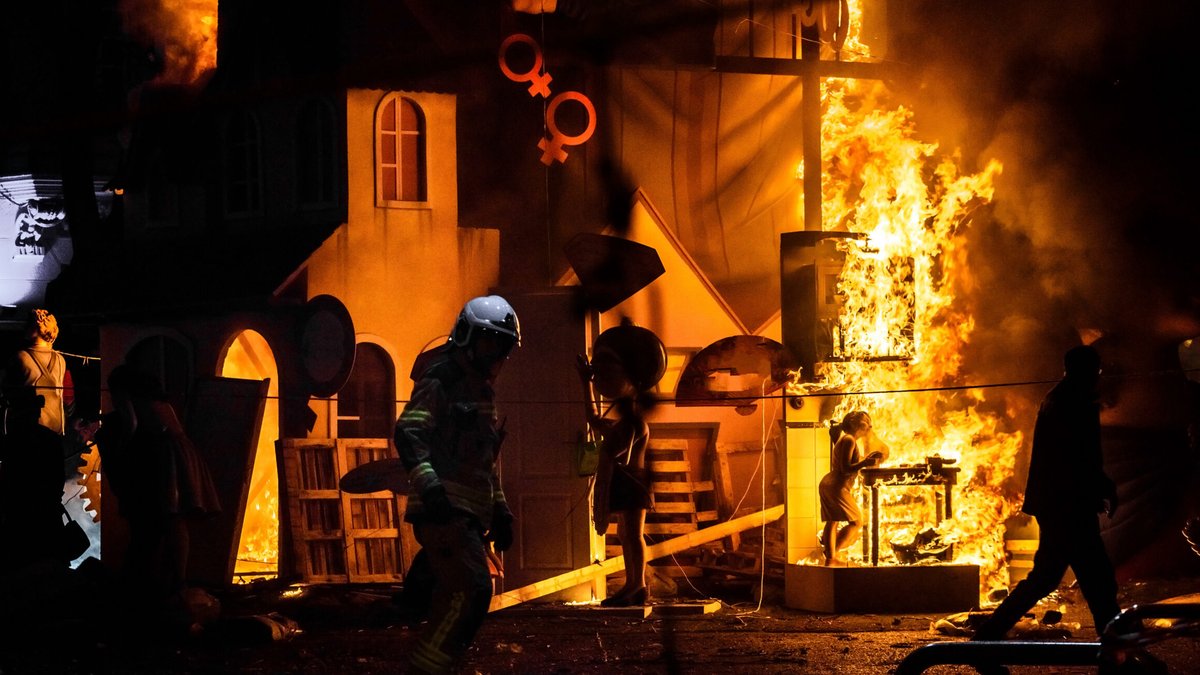
When a pipe bursts or a fire starts, the initial 30 minutes dictate the outcome of a warehouse emergency. While many companies prioritize insurance policies and external restoration contracts, the most immediate impact comes from the person on the floor. A well-trained manager can prevent minor issues from becoming total losses by acting before help arrives.
The first five minutes are for assessment and communication. Managers must identify the scope of the incident and determine if there is an immediate threat to safety. This period requires a pre-established chain of command to ensure leadership and emergency services are notified without delay. A laminated contact list at key stations can remove guesswork during high-pressure situations.
Following this, the focus shifts to evacuation and site security. Personnel safety always takes priority over inventory. Managers should direct staff to designated zones while remaining calm to prevent panic. Once the building is cleared, the goal is to isolate the threat. This involves cutting power, closing fire doors, or shutting off water valves.
These tasks require prior knowledge of facility infrastructure, which is why hands-on walkthroughs are necessary.
Related: Fiala Leads in RC Flight Precision Engineering
Between the 15 and 30-minute marks, the priority moves to documentation. Managers should record images and video of the damage before cleanup starts. This evidence provides necessary context for insurance claims and helps specialized teams understand the situation once they arrive on the scene. Having this data ready allows restoration providers to mobilize the right equipment faster.
Muscle memory is the final component of a successful response. Simulations should involve more than just slideshows or verbal briefings. Realistic drills help staff practice specific tasks like calling vendors or operating control panels.
By shifting from passive reading to active practice, facilities create a more resilient environment. A warehouse that invests in its people often sees lower downtime costs after an incident occurs. Ultimately, the effectiveness of the response relies on the ability of the staff to execute established procedures under pressure.

Fiala Leads in RC Flight Precision Engineering

How to grow a thriving business
Related Articles


 Workflow Watch