


Aluminium Stair Profiles Explained
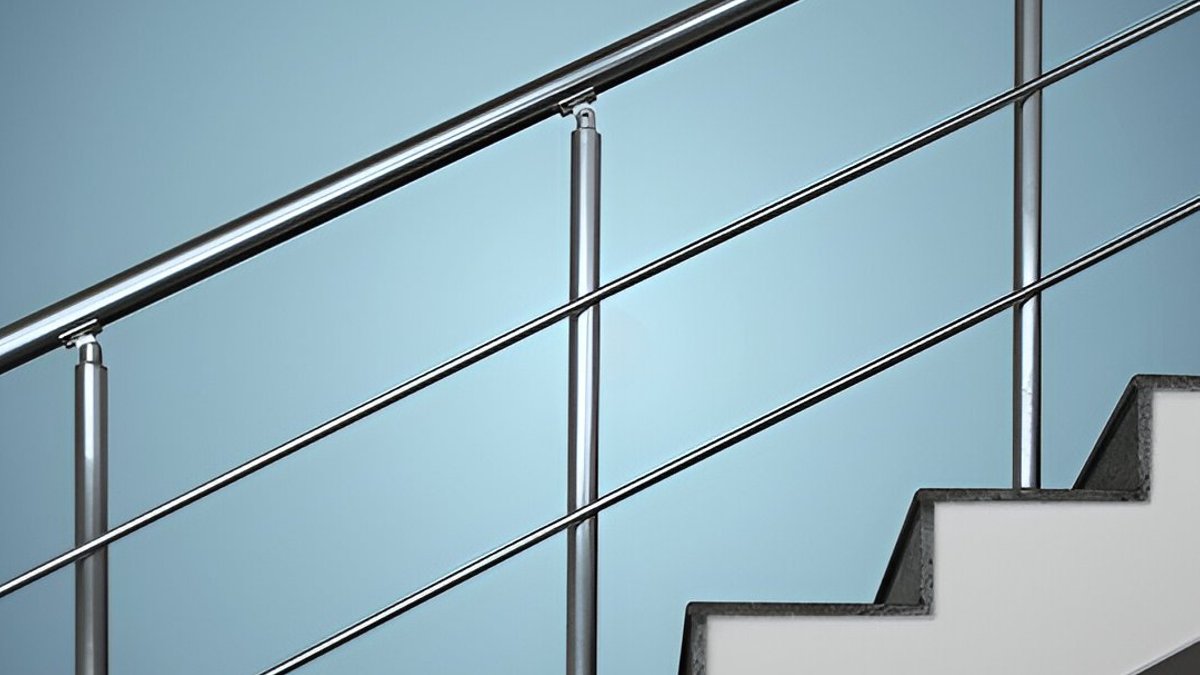
Aluminium stair profiles are overlay strips installed along the edges of steps to add strength, improve grip, and protect stairs from damage. The material is lightweight yet durable, making it suitable for both residential and commercial settings where foot traffic is constant and stairs face long-term wear.
What Are Aluminium Stair Profiles?
These profiles are decorative strips fitted to the nosing, or front edge, of each step. They prevent chips, cracks, and general deterioration that naturally occurs on unprotected stairs. The aluminium construction resists rust and corrosion, allowing installation indoors and outdoors without degradation over time.
Stairs experience heavy daily use, and without protection, the edges can wear down quickly. These profiles extend the lifespan of staircases while reducing the risk of slips and falls. They work with various flooring types, including wood, tile, laminate, and concrete, and come in multiple finishes to match different interiors.
Key Benefits for Staircase Safety and Durability
One major advantage is durability. Unlike plastic or wooden alternatives, aluminium profiles do not warp, crack, or deteriorate under heavy use. They withstand impacts without denting and maintain their shape regardless of weather exposure when installed outside.
Safety features are another reason these profiles are popular. Most include anti-slip inserts or textured surfaces that provide better traction. This matters significantly in public buildings, offices, and homes where stairs see regular use. The added grip helps prevent accidents, particularly in high-traffic areas.
Related: Drum chandelier blends music and lighting
Aesthetically, aluminium profiles offer a clean, modern look. They create smooth transitions between different flooring materials and enhance the overall appearance of a room. Available finishes include brushed, anodised, and powder-coated options that blend with surrounding decor.
The material is also recyclable, appealing to those prioritising sustainable building practices. Installation is straightforward due to its lightweight nature, requiring no heavy equipment or extensive labour.
Common Applications Across Settings
In homes, aluminium stair profiles protect wood or tile stairs from cracking and wear. They suit contemporary interiors with open staircases or minimalist designs where exposed edges are visible. Property owners installing these profiles often notice the refined finish they add to otherwise plain steps.
Commercial buildings such as shopping centres, hotels, offices, and schools rely on these profiles for safety in crowded environments. Some manufacturers offer photoluminescent strips that glow during power outages or emergencies, improving visibility when lighting fails. This feature addresses fire safety requirements in certain jurisdictions.
Industrial facilities like factories, warehouses, and workshops require robust stair protection. Workers moving between floors with heavy equipment or materials benefit from the grip these profiles provide. Outdoor installations on garden steps, porches, and exterior stairways also gain protection against moisture, temperature changes, and weather damage.
Related: Coastal Grandmother Style Becomes Accessible Nationwide
Installation and Maintenance Considerations
Most profiles come with pre-drilled screw holes for easy fitting. Some designs use high-strength adhesives to achieve an invisible finish. The process begins with cleaning the surface thoroughly, ensuring it is dry and dust-free. Profiles are then measured, cut to size, and secured in place.
Rubber inserts can be replaced if they become worn or damaged, maintaining slip resistance over time. Maintenance is minimal. Unlike wood or plastic, aluminium does not warp or crack, so repairs are rarely needed beyond occasional cleaning with water or mild soap.
Outdoor profiles benefit from periodic checks to remove debris or residue buildup from weather exposure. This simple upkeep keeps them functioning properly and looking presentable for years.
Aluminium stair profiles combine longevity with visual appeal and safety features. Their resistance to wear means fewer repairs or replacements compared to cheaper alternatives, potentially saving money over the life of a staircase. The flexibility to install them in any environment, combined with their recyclable nature, makes them a practical choice for architects, builders, and homeowners looking to improve stair safety without sacrificing style.

Drum chandelier blends music and lighting


