


Pakistan weighs fuel rationing amid soaring prices
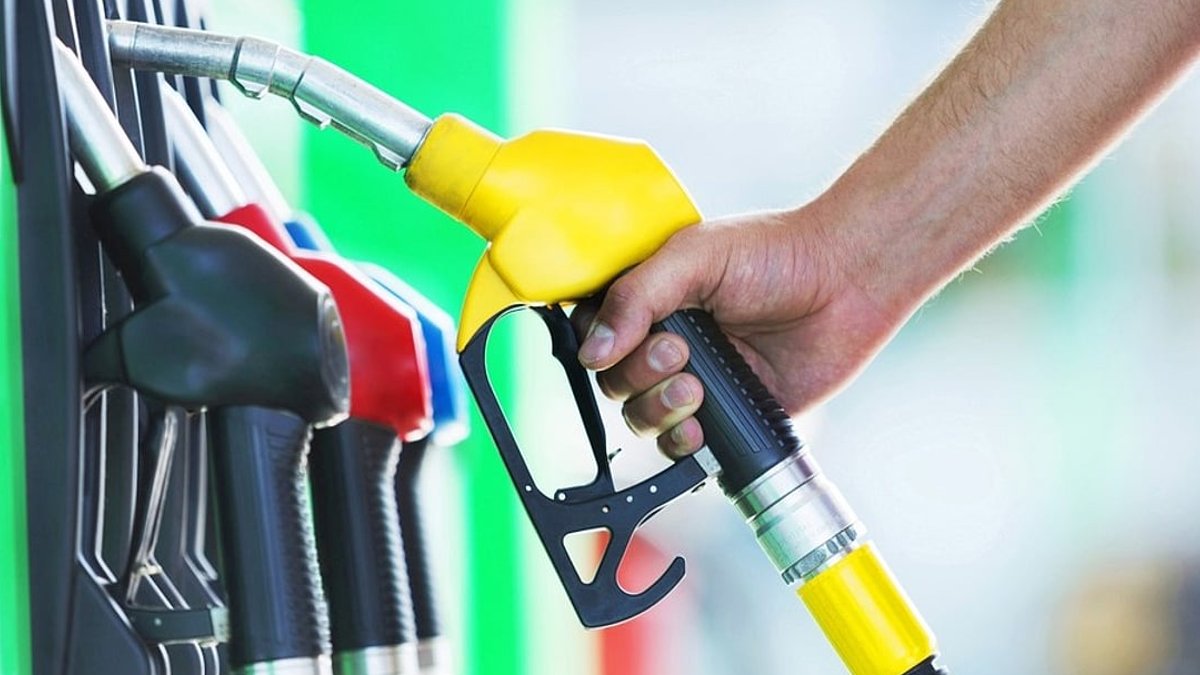
Pakistan’s government is considering a series of measures, including a possible smart lockdown, to curtail petroleum consumption following the recent rise in fuel prices in the wake of tension in West Asia. The decision follows Tuesday’s sharp increase in fuel prices, with petrol rising by ₹4.10 per litre and high-speed diesel climbing by ₹6.41 per litre. These adjustments brought petrol to ₹384.34 per litre and diesel to ₹415.83 per litre, further straining households and businesses already grappling with economic pressures.
Officials have cited growing fears of disruptions in oil shipments through critical maritime routes, including the Strait of Hormuz and the Bab El-Mandeb Strait, which handle a significant portion of global trade. Saudi Arabia’s temporary shutdown of its East-West pipeline after a recent attack deepened concerns about fuel availability. Energy Minister Awais Leghari and Climate Change Minister Musadik Malik have both acknowledged that the rising costs are testing the country’s financial limits, particularly as global markets remain unpredictable.
The government has launched a temporary Fuel Relief Scheme to alleviate some of the burden, providing motorcyclists with five litres of subsidised petrol each week and car owners with ten litres every ten days. Malik acknowledged that the scheme does not fully compensate for the price increases but represents the maximum financial relief the national economy can currently support. Payments to fuel stations under this program are now being processed within 24 hours, and the initiative will be extended to other provinces following its trial run in Islamabad.
Read Also: No charges on small UPI transactions
Efforts to curb demand include discussions about implementing a four-day workweek and earlier market closures, measures previously used during past periods of conflict. Information Minister Atta Tarar has suggested revisiting austerity policies, though Malik has dismissed any official consideration of a full-scale lockdown. The government has also transitioned to a daily petroleum pricing mechanism since July, allowing for more flexible adjustments in response to global market fluctuations.
Opposition groups, including the Jamaat-i-Islami party, have vowed to organise nationwide protests next week unless fuel prices are reduced further. Meanwhile, Pakistan’s electricity sector has maintained stability, with 72% of power generation coming from domestic sources in August 2026. This included hydropower (38%), local coal (11%), nuclear (10%), local gas (7%), wind (6%), and solar energy (1%). Leghari confirmed that domestic resources have so far mitigated supply risks, though the government continues to assess how best to balance fuel demand with broader economic stability.

No charges on small UPI transactions


